Understanding Leather Patterns and Seamlessly Repeating Vector Patterns
In the world of design, patterns play a crucial role in creating visual interest and adding depth to various projects. Whether you're working on graphic design, interior decoration, or even fashion, understanding leather patterns and seamlessly repeating vector patterns can significantly enhance your creative output. This article will explore these concepts in detail, explaining their purpose, significance, and how they fit into modern design practices.
What Are Leather Patterns?
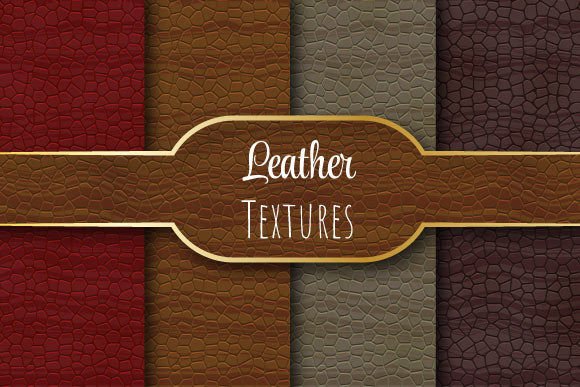
Leather patterns refer to the unique textures and designs found on leather surfaces. These patterns can be natural, such as the grain of the hide, or they can be artificially created through embossing, tooling, or stamping techniques. Each type of leather—whether it's full-grain, top-grain, or suede—has its own distinct characteristics that influence the appearance and feel of the material.
Historically, leather patterns have been used for decorative purposes on items like furniture, bags, and shoes. Today, they continue to be popular in both traditional and contemporary design. Designers often use leather patterns to add a touch of elegance and sophistication to their creations.
Types of Leather Patterns
- Natural Grain: The original texture of the leather, which can vary from smooth to rough depending on the animal and processing method.
- Tooling: A technique where patterns are carved into the leather using specialized tools.
- Embossing: A process that involves pressing a design into the leather to create a raised effect.
Each of these types of leather patterns serves a different purpose and can be tailored to suit specific design needs. Understanding the differences between them can help you choose the right type of leather for your project.
The Power of Seamlessly Repeating Vector Patterns
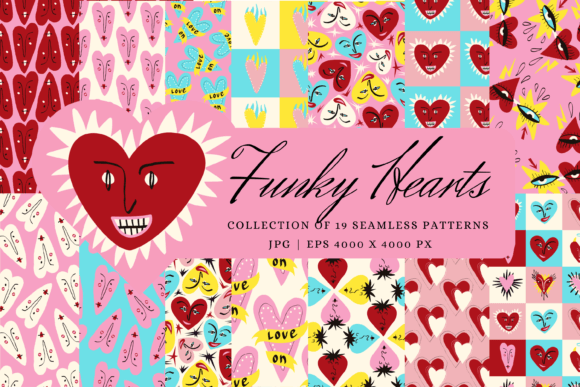
While leather patterns are primarily physical, seamlessly repeating vector patterns are digital counterparts that offer designers a versatile way to incorporate intricate designs into their work. These patterns are created using vector graphics software and are designed to repeat without visible seams, making them ideal for backgrounds, textiles, and other applications where continuity is key.
A seamlessly repeating pattern is essentially a small image that can be tiled across a larger surface without any noticeable breaks or overlaps. This makes it an essential tool for graphic designers, web developers, and anyone involved in digital media production.
Why Seamless Repetition Matters
Seamless repetition ensures that the pattern looks consistent and professional when tiled across large areas. This is particularly important in web design, where background images need to cover entire screens without distortion. In print design, seamless patterns can be used for wallpaper, fabric prints, and more, ensuring that the final product appears cohesive and visually appealing.
Creating a seamlessly repeating pattern requires careful planning and attention to detail. Designers must ensure that the edges of the pattern align perfectly so that there are no visible gaps or overlaps when the pattern is repeated.
Exploring File Formats: EPS and JPEG
When working with patterns, especially for high-quality printing or detailed digital work, choosing the right file format is crucial. Two commonly used formats are EPS (Encapsulated PostScript) and JPEG (Joint Photographic Experts Group).
EPS files are vector-based and are ideal for scalable graphics that maintain quality at any size. They are widely used in the publishing industry for illustrations, logos, and other graphics that require high resolution and clarity. An EPS 10 file specifically refers to a version of the EPS format that supports advanced features and compatibility with modern design software.
JPEG files, on the other hand, are raster-based and are best suited for photographs and complex images with many colors. While they are not as scalable as vector files, they are excellent for web use due to their smaller file size and good compression quality.
File Specifications and Their Importance
The specifications provided for these pattern files—12 x 12 inches at 3600 x 3600 pixels and 300dpi—are critical for ensuring high-quality output. A resolution of 300dpi is considered standard for professional printing, as it provides sharp details and clear images. The large pixel dimensions ensure that the pattern remains crisp and detailed even when scaled up.
These file specifications are particularly important for designers who need to create patterns that will be used in print or high-resolution digital displays. By adhering to these standards, designers can ensure that their work meets the highest quality expectations.
Practical Applications of Leather and Vector Patterns
Both leather patterns and seamlessly repeating vector patterns have a wide range of practical applications in various industries. From fashion and interior design to graphic design and digital media, these patterns can be used to create stunning visuals and functional products.
In fashion design, leather patterns are often used to create unique textures on clothing and accessories. Similarly, seamlessly repeating vector patterns can be used to create eye-catching designs on fabrics, garments, and even packaging materials.
In interior design, leather patterns are commonly found on furniture, upholstery, and decorative accents. Seamlessly repeating vector patterns can be used to create beautiful wall coverings, floor tiles, and other decorative elements that enhance the overall aesthetic of a space.
For graphic design and digital media, seamlessly repeating vector patterns are invaluable for creating backgrounds, icons, and other graphical elements that need to be consistent and scalable. These patterns can be used in websites, mobile apps, and other digital platforms to create a cohesive visual identity.
How to Use These Files Effectively
If you're working with a zip file that contains one EPS file and four JPEG files, it's important to understand how to use each file effectively. The EPS file can be used for high-resolution printing or editing in vector-based design software. The JPEG files can be used for web display or digital presentations where a smaller file size is preferred.
By using these files appropriately, you can ensure that your designs look great in both print and digital formats. It's also important to maintain the integrity of the patterns by avoiding excessive scaling or compression, which can degrade the quality of the image.
Common Misconceptions About Patterns
There are several common misconceptions about patterns that can lead to confusion among beginners. One of the most common is the belief that all patterns are created in the same way. In reality, patterns can be created using a variety of techniques, including hand-drawing, digital illustration, and photo manipulation.
Another misconception is that seamless patterns are difficult to create. While it does require some skill and attention to detail, there are many resources and tools available that can help designers create seamless patterns with ease. Online tutorials, design software, and pattern-making plugins can all be valuable assets in the pattern creation process.
It's also important to understand that patterns are not just decorative elements—they can serve functional purposes as well. For example, patterns can be used to guide the eye, create visual hierarchy, or convey specific messages or themes.
Conclusion
Whether you're working with leather patterns or seamlessly repeating vector patterns, understanding their properties and applications can greatly enhance your design work. By exploring the different types of patterns, file formats, and practical uses, you can gain a deeper appreciation for the role that patterns play in modern design.
As you continue to develop your skills, remember that patterns are a powerful tool that can transform simple designs into something truly remarkable. With the right knowledge and resources, you can create stunning visuals that capture the attention of your audience and leave a lasting impression.