Wood Patterns: A Guide to Seamless Vector Design for Creative and Professional Use
Wood patterns have long been a staple in design, offering a natural aesthetic that blends effortlessly into both digital and physical spaces. When it comes to creating seamless vector patterns, especially those designed for high-resolution output, the Wood Patterns collection stands out as a versatile and practical resource. This guide explores what Wood Patterns are, their features, uses, and how they can benefit various types of users—from designers to business owners.
Understanding Wood Patterns
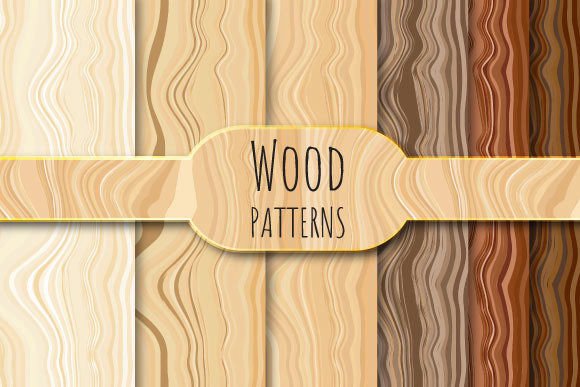
Wood Patterns refer to visual designs that replicate the look of wood grain, texture, or other natural elements in a repeating format. These patterns are commonly used in graphic design, web development, print media, and more. The key feature of a well-crafted wood pattern is its ability to tile seamlessly without visible seams or distortions.
The Wood Patterns set includes a single EPS 10 file along with six JPEG files, all sized at 12 x 12 inches (3600 x 3600 pixels) at 300dpi. This high-resolution format ensures that the patterns remain sharp and clear even when printed or displayed on large screens.
Key Features of Wood Patterns
- Seamless Repeating Design: Each pattern is crafted to repeat seamlessly, making it ideal for backgrounds, textures, and decorative elements.
- High-Resolution Output: With a resolution of 300dpi, these patterns are suitable for both digital and print applications.
- EPS 10 Format: The vector-based EPS 10 file allows for scalability without loss of quality, making it perfect for professional use.
- Multiple File Formats: In addition to the EPS file, there are six JPEG files included, providing flexibility for different project needs.
Where Can Wood Patterns Be Used?
The versatility of Wood Patterns makes them applicable across a wide range of industries and creative fields. Here are some common use cases:
Graphic Design
Designers often use wood patterns as background textures for posters, brochures, and packaging. The seamless nature of the pattern ensures that the design remains cohesive and visually appealing.
Web Development
On websites, wood patterns can be used as background images for headers, banners, or entire sections. They add a natural, organic feel to digital interfaces, enhancing user experience.
Interior Design
For interior designers, wood patterns can be applied to digital mockups of furniture, flooring, or wall coverings. These patterns help visualize how real wood elements might look in a space before any physical installation.
Print Media
In print, wood patterns are used for everything from business cards to large-scale banners. Their high-resolution format ensures that the patterns remain crisp and detailed, even when printed at large sizes.
Who Benefits from Wood Patterns?
Wood Patterns cater to a diverse audience, including general consumers, professionals, creators, and business owners. Here’s a closer look at who may find this resource particularly useful:
General Consumers
Consumers looking to enhance home décor or personal projects can use wood patterns to create custom designs for DIY projects, such as wall art, fabric prints, or photo frames.
Creative Professionals
Graphic designers, illustrators, and digital artists will appreciate the high-quality vector format and seamless tiling. These patterns serve as excellent base layers for more complex designs.
Business Owners
Businesses in the retail, hospitality, or real estate sectors can use wood patterns for branding materials, signage, or promotional content. The natural aesthetic of wood adds warmth and sophistication to marketing efforts.
Online Users
Anyone involved in online content creation—such as bloggers, social media managers, or e-commerce site developers—can benefit from using wood patterns to enhance the visual appeal of their platforms.
Strengths and Considerations
While Wood Patterns offer many advantages, it's important to understand their strengths and limitations to determine if they're the right fit for your project.
Strengths
- High-Quality Resolution: At 3600 x 3600 pixels and 300dpi, these patterns are ideal for professional-grade printing and digital display.
- Vector Format Flexibility: The EPS 10 file allows for easy editing and customization, giving users the freedom to adapt the patterns to their specific needs.
- Versatile Applications: Whether you're working on a small personal project or a large commercial campaign, these patterns can be tailored to suit a wide range of purposes.
Considerations
- Limited Pattern Variety: While the set includes six JPEG files, users may need additional patterns for more specialized projects.
- Editing Requirements: Although the EPS file is editable, users should have basic knowledge of vector graphics software to make changes effectively.
- License Restrictions: It's important to review the licensing terms to ensure that the patterns can be used for the intended purpose, whether for personal or commercial use.
Evaluating Suitability for Different Projects
Before incorporating Wood Patterns into a project, consider the following factors to determine if they align with your goals:
- Project Scope: Are you working on a small-scale project like a website header, or a larger one such as a brochure or poster? The high-resolution format makes it suitable for both.
- Design Style: Does the natural, organic look of wood complement your overall design theme? If so, these patterns could enhance the visual appeal of your work.
- Technical Requirements: Do you have access to the necessary tools to edit the EPS file? If not, the JPEG files can still be used for non-editable purposes.
Real-World Examples of Wood Pattern Usage
To better understand how Wood Patterns can be applied, here are a few real-world examples:
Example 1: Interior Design Mockup
An interior designer creates a digital mockup of a living room using Wood Patterns as a background for flooring. This helps the client visualize the space before any actual installation takes place.
Example 2: Website Background
A web developer uses a wood pattern as the background for a company's homepage. The subtle texture adds depth and character to the design without overwhelming the content.
Example 3: Packaging Design
A product packaging designer incorporates a wood pattern into the design of a luxury skincare product box. The natural look reinforces the brand's eco-friendly and premium positioning.
Conclusion
Wood Patterns provide a valuable resource for anyone looking to incorporate natural textures into their design projects. With their seamless repeating format, high-resolution quality, and versatility, they are suitable for a wide range of applications—from personal DIY projects to professional commercial campaigns. By understanding the strengths, considerations, and potential uses of these patterns, users can make informed decisions about how best to integrate them into their work.
Whether you're a designer, a business owner, or simply someone with an interest in creative expression, Wood Patterns offer a practical and aesthetically pleasing solution for adding a touch of nature to your digital and physical creations.