Ogee Patterns
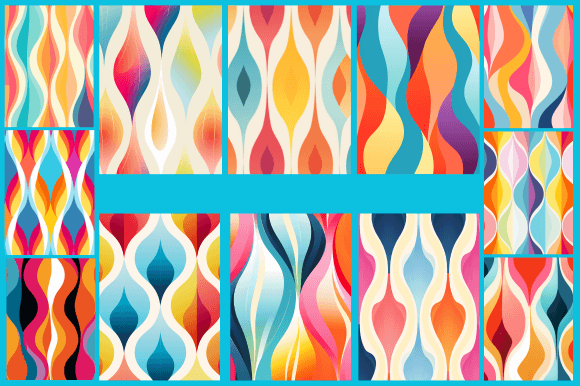
Adding a touch of elegance and historical charm to modern design projects, Ogee Patterns have become a popular choice among graphic designers, illustrators, and creative professionals. These intricate, flowing motifs—characterized by their S-shaped curves and symmetrical forms—are rooted in traditional Islamic, Gothic, and Rococo art. Today, they serve as a versatile visual element that enhances branding, packaging, and digital content with a sense of sophistication and movement.
Ogee Patterns are not just decorative; they play a crucial role in visual communication. Their fluid lines and rhythmic repetition can guide the viewer’s eye across a page or screen, creating a natural flow that supports storytelling, hierarchy, and focus. Whether used subtly in background textures or boldly as a central design feature, these patterns offer a unique way to add depth and character to any project.
Applications of Ogee Patterns in Graphic Design
The versatility of Ogee Patterns makes them suitable for a wide range of creative applications. In branding and logo design, they can be used to create a distinctive visual identity that stands out from competitors. Their organic curves can be incorporated into logos, icons, or brand illustrations to evoke a sense of craftsmanship and tradition.
In marketing materials, such as brochures, flyers, and social media graphics, Ogee Patterns can add a layer of visual interest without overwhelming the message. They work particularly well when paired with minimalistic layouts, helping to draw attention to key information while maintaining an aesthetically pleasing composition.
For website and UI design, these patterns can be used as subtle background elements or border accents to enhance the user experience. Their repetitive nature ensures consistency, which is essential for building a cohesive and professional look across different pages and interfaces.
Design Tips for Using Ogee Patterns Effectively
To ensure that Ogee Patterns complement your design rather than distract from it, consider the following tips:
- Balance and contrast: Use patterns in moderation and pair them with solid colors or simple typography to avoid visual clutter.
- Scalability: Choose high-resolution versions of the pattern to maintain quality at different sizes, especially if you plan to use them in print or large-scale digital displays.
- Color harmony: Ensure that the color palette of the pattern aligns with your brand’s existing colors to maintain a unified aesthetic.
- Contextual relevance: Think about the purpose of the design. Will the pattern support the message or theme? Does it fit the audience’s expectations?
When selecting Ogee Patterns for your project, pay attention to details like line weight, spacing, and symmetry. These factors influence how the pattern interacts with other design elements and affect the overall readability and impact of your work.
Whether you're designing for packaging, merchandise, or digital products, incorporating Ogee Patterns can elevate your creative output and bring a unique flair to your designs. With careful planning and thoughtful execution, these timeless motifs can help you achieve a polished, professional result that resonates with your audience and reinforces your brand’s identity.