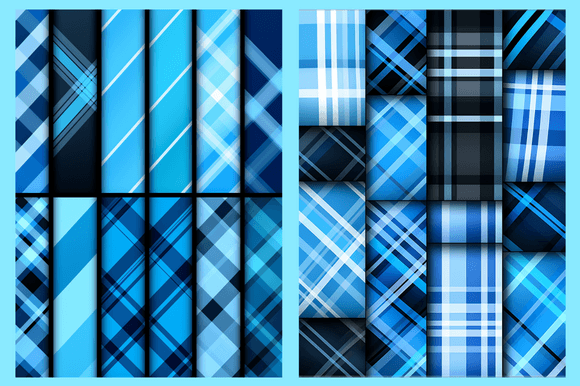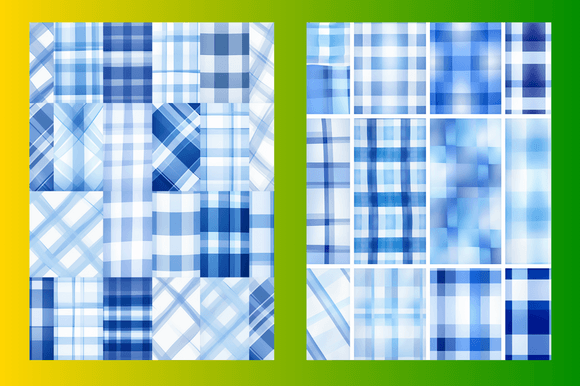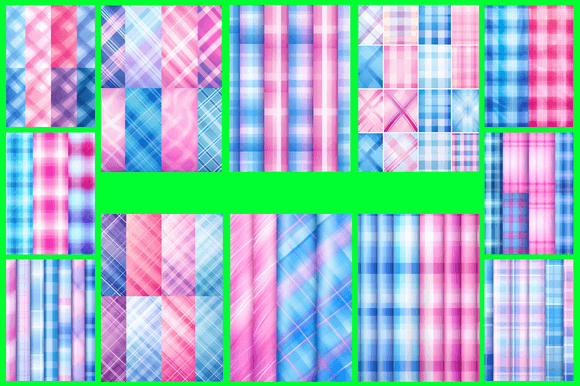
Geometric Blue Shapes Patterns: A Modern Design Element with Practical Applications
Geometric Blue Shapes Patterns have become a popular choice in modern design, offering a blend of visual appeal and functional versatility. These patterns combine the structured nature of geometric shapes with the calming effect of blue hues, making them suitable for a wide range of applications from digital interfaces to physical spaces. Understanding their characteristics and potential uses can help professionals and creators make informed decisions when incorporating them into their projects.
Understanding Geometric Blue Shapes Patterns
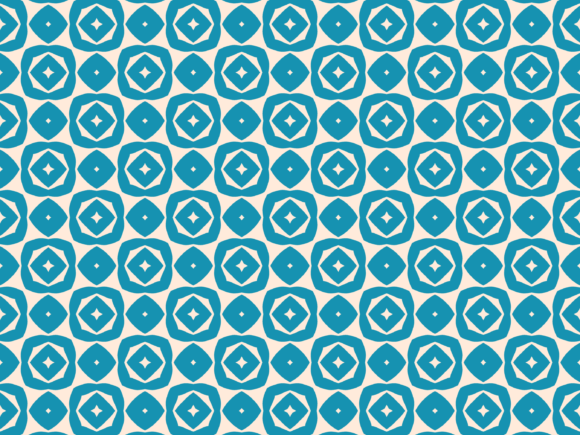
At its core, Geometric Blue Shapes Patterns refers to the use of abstract, non-organic forms—such as triangles, circles, squares, and polygons—in a repeating or layered arrangement, often in shades of blue. The combination of these elements creates a sense of order, depth, and movement that can enhance visual communication.
The color blue is widely associated with trust, calmness, and professionalism. When paired with geometric structures, it adds a layer of sophistication that can be particularly effective in environments where clarity and focus are essential. This makes Geometric Blue Shapes Patterns a valuable asset in fields like web design, interior decoration, branding, and even educational materials.
Key Characteristics and Strengths
Visual Cohesion: One of the standout features of Geometric Blue Shapes Patterns is their ability to create a cohesive look across different platforms and mediums. Whether used as a background in a website or as a decorative element in a room, they maintain a consistent aesthetic that reinforces brand identity or personal style.
Flexibility: These patterns are highly adaptable. They can be scaled, rotated, or layered to suit various contexts. For instance, a simple triangle pattern might be used as a subtle texture in a minimalist website layout, while more complex arrangements could serve as eye-catching accents in a marketing campaign.
Emotional Impact: The use of blue in Geometric Blue Shapes Patterns can influence the emotional response of viewers. In professional settings, this can translate to increased trust and reliability. In creative fields, it can evoke a sense of innovation and precision.
Practical Value in Real-World Use
In digital design, Geometric Blue Shapes Patterns are often used as backgrounds, icons, or separators. Their structured appearance helps organize content without overwhelming the viewer. For example, a tech company's landing page might use a grid of blue hexagons as a background to convey a sense of stability and technological advancement.
In print media, these patterns can be employed in infographics, posters, and packaging designs. Their clean lines and uniformity make them ideal for presenting data or information in an accessible format. An educational publisher, for instance, might use Geometric Blue Shapes Patterns in textbooks to visually break down complex concepts into digestible sections.
Interior designers also find value in Geometric Blue Shapes Patterns. They can be used in textiles, wall art, or flooring to add visual interest without creating a cluttered environment. The calming effect of blue complements the structured nature of geometric forms, resulting in a balanced and inviting space.
Who Benefits Most from Geometric Blue Shapes Patterns?
Professionals in the fields of graphic design, web development, and marketing will find Geometric Blue Shapes Patterns particularly useful. These individuals often need to communicate ideas clearly and efficiently, and the structured yet aesthetically pleasing nature of these patterns supports that goal.
Educators and content creators may also benefit from using Geometric Blue Shapes Patterns in presentations, videos, or articles. The visual consistency they provide can help reinforce key messages and improve audience retention.
Small business owners looking to establish a strong brand identity can leverage these patterns in their logos, packaging, and promotional materials. The result is a cohesive and memorable brand image that resonates with customers.
Evaluating Quality and Usability
When selecting Geometric Blue Shapes Patterns, it’s important to consider the quality of the design. High-resolution files and well-balanced color schemes are essential for maintaining visual integrity across different mediums. Poorly executed patterns can appear unprofessional and detract from the intended message.
Usability is another factor to keep in mind. While intricate patterns can be visually striking, they should not compromise readability or functionality. A pattern that is too busy might distract from the main content or make navigation more difficult in digital interfaces.
Consistency is key when implementing these patterns across multiple platforms. Ensuring that the same design elements are used throughout a project helps maintain a unified look and feel, which is crucial for building brand recognition and user trust.
Possible Limitations and Considerations
While Geometric Blue Shapes Patterns offer many benefits, they are not universally applicable. In some cases, overly complex patterns can overwhelm the viewer or clash with other design elements. It’s important to strike a balance between visual interest and simplicity.
Additionally, the use of blue may not be appropriate for all audiences or contexts. For example, in certain cultural settings, blue might carry different connotations that could affect how the design is perceived. Being mindful of these nuances can help avoid unintended misinterpretations.
Lastly, the effectiveness of Geometric Blue Shapes Patterns depends on the skill and judgment of the designer. Without proper execution, even the most promising design concept can fall flat. Investing in quality resources and continuous learning can help mitigate these risks.
Final Thoughts and Recommendations
Geometric Blue Shapes Patterns represent a powerful tool in the designer’s toolkit. Their ability to convey structure, calmness, and sophistication makes them a versatile choice for a variety of applications. However, their success ultimately depends on thoughtful implementation and alignment with the project’s goals.
For those considering incorporating these patterns into their work, it’s recommended to start with simple designs and gradually experiment with more complex arrangements. Testing the patterns in different contexts and gathering feedback can provide valuable insights into their effectiveness.
By understanding the strengths and limitations of Geometric Blue Shapes Patterns, professionals and creators can make informed decisions that enhance their visual communication and achieve better outcomes in their respective fields.