Abstract Watercolor Patterns: A Versatile Tool for Creative Projects
Abstract watercolor patterns have become a popular choice for designers, artists, and creators looking to add a touch of elegance and uniqueness to their projects. These patterns combine the soft, flowing nature of traditional watercolor with modern design elements, offering a seamless blend of artistry and functionality. Whether you're designing wedding invitations, greeting cards, or digital marketing materials, abstract watercolor patterns provide a flexible and visually appealing solution.
What Are Abstract Watercolor Patterns?
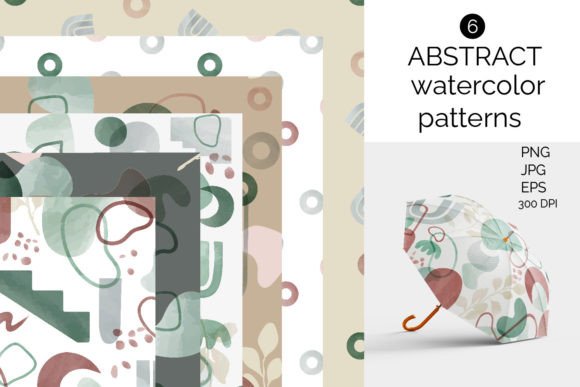
Abstract watercolor patterns are digital designs that mimic the look of hand-painted watercolor art but in a repeatable, seamless format. They often feature organic shapes, fluid lines, and soft color transitions that give them a natural, artistic feel. These patterns can be used as backgrounds, textures, or decorative elements in various creative applications.
One of the key advantages of these patterns is their versatility. They come in multiple formats—JPEG, PNG, and EPS—making them compatible with most design software such as Photoshop, Canva, GIMP, Word, and more. This makes it easy to use them across different platforms and for both print and digital purposes.
Why Choose Abstract Watercolor Patterns?
Abstract watercolor patterns are ideal for anyone looking to enhance the visual appeal of their projects without the need for complex graphic design skills. Their soft, painterly aesthetic can elevate everything from social media graphics to packaging designs. Here are some of the main reasons why they're so widely used:
- Versatility: Suitable for a wide range of uses, including planner stickers, fabric paper, scrapbooking, and even wedding invitations.
- High Quality: All images are provided at 300 dpi resolution, ensuring crisp and clear results when printed or displayed digitally.
- Scalability: Files are sized at 12 x 12 inches (3600 x 3600 px), allowing users to scale them up or down without losing quality.
- Compatibility: Designed to work seamlessly with major design tools, making them accessible to beginners and professionals alike.
Common Mistakes When Using Abstract Watercolor Patterns
While abstract watercolor patterns offer many benefits, there are several common mistakes that users often make when choosing or using them. Avoiding these pitfalls can help ensure better results and greater satisfaction with your creative projects.
Mistake 1: Ignoring File Format Requirements
Many people overlook the importance of file format when selecting watercolor patterns. For example, JPEG files have a white or colored background, while PNG files offer transparency. EPS files, on the other hand, are vector-based and ideal for high-quality printing. Choosing the wrong format for your project can lead to unwanted backgrounds or poor scalability.
Better Approach: Always check the specific needs of your project before downloading any files. If you’re designing something that requires transparency, like a logo or sticker, go for PNG. For print-ready materials, EPS is often the best choice.
Mistake 2: Not Checking Resolution and Size
It's easy to assume that all digital patterns are suitable for print, but this isn’t always the case. Low-resolution images can appear blurry or pixelated when printed, especially at larger sizes. Many abstract watercolor pattern sets are designed with 300 dpi resolution, which is ideal for print, but it’s still important to confirm this detail before purchasing.
Better Approach: Always verify the resolution and size of the files you're using. Look for patterns that are specifically labeled as “print-ready” or “high-resolution.” If in doubt, opt for patterns that include both JPEG and EPS formats for maximum flexibility.
Mistake 3: Overlooking Compatibility with Design Software
Not all design tools handle every file type equally well. Some software may not support EPS files, or may require additional plugins to open them properly. Failing to consider compatibility can lead to frustration and wasted time trying to edit or use the files correctly.
Better Approach: Before purchasing any pattern set, check if it's compatible with the software you plan to use. Most reputable providers will list the supported programs, so take a moment to review this information carefully.
How to Use Abstract Watercolor Patterns Effectively
To get the most out of abstract watercolor patterns, it's important to understand how they can be applied in different contexts. Here are a few practical tips for using them effectively:
- Use as Backgrounds: These patterns can serve as subtle, elegant backgrounds for presentations, flyers, and brochures.
- Add Texture: Incorporate them into fabric paper or cardstock to create unique textures for handmade items like greeting cards or scrapbook pages.
- Create Stickers: Use transparent PNG files to design planner stickers, party invitations, or birthday cards that stand out without overwhelming the design.
- Design Covers: The soft, flowing nature of watercolor patterns makes them perfect for book covers, album covers, or presentation templates.
Final Tips for Choosing the Right Pattern Set
Selecting the right abstract watercolor pattern set can make a big difference in the outcome of your project. Here are a few final tips to help you choose wisely:
- Look for Variety: A good pattern set should include multiple designs, colors, and styles to give you more creative options.
- Check Reviews: Read reviews from other users to see what they liked or disliked about the pattern set.
- Consider Licensing: Make sure you understand the licensing terms, especially if you're using the patterns for commercial purposes.
- Test Before Committing: If possible, download a sample or preview of the pattern before purchasing the full set to ensure it meets your expectations.
By being mindful of these factors, you can avoid common mistakes and make the most of your abstract watercolor pattern collection. Whether you're a beginner or an experienced designer, these patterns offer a beautiful and versatile way to enhance your creative work.