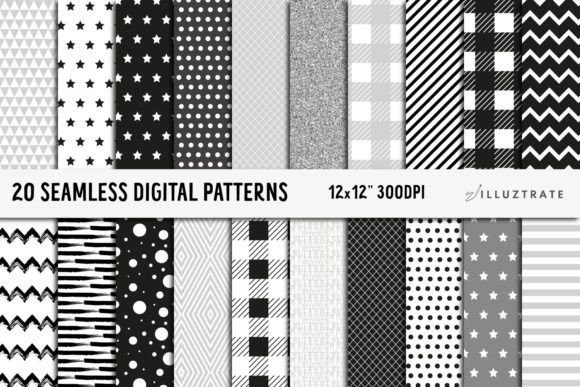
Monochrome Digital Paper Patterns: A Versatile Tool for Creative and Professional Workflows
Monochrome digital paper patterns offer a unique blend of simplicity and sophistication, making them an essential resource for anyone involved in creative or professional design work. Whether you're a seasoned crafter, a small business owner, or someone looking to elevate your DIY projects, these patterns provide a clean and elegant foundation that can be adapted to various applications. With over a decade of experience creating digital papers since 2014, I've seen firsthand how the right design elements can transform a project from good to exceptional.
Understanding Monochrome Digital Paper Patterns
Monochrome digital paper patterns are designs that use a single color palette, typically black and white or variations of a single hue. This approach allows for greater flexibility and ensures that the patterns remain visually appealing across different mediums and scales. Unlike colorful designs that may become overwhelming when printed or scaled, monochrome patterns maintain clarity and elegance regardless of the context in which they are used.
These patterns are designed with versatility in mind. They can be used in both digital and physical formats, including sublimation printing, which makes them ideal for fabric-based crafts such as custom apparel, home decor, and personalized gifts. The ability to print these patterns at high resolution ensures that they remain sharp and detailed even when enlarged for large-scale projects like banners, posters, or wall art.
Integrating Monochrome Digital Papers into Your Workflow
Incorporating monochrome digital paper patterns into your workflow can streamline your creative process and enhance the quality of your final output. These patterns serve as a foundational element that can be layered with other design components, such as text, images, or additional graphics, to create cohesive and professional-looking results.
For example, if you're working on a scrapbooking project, using a monochrome pattern as a background can help draw attention to the photos and journaling while maintaining a clean and organized layout. Similarly, in a business setting, these patterns can be used to create branded materials such as presentations, marketing collateral, or packaging that aligns with a minimalist aesthetic.
The key to successful integration lies in understanding the purpose of each pattern and how it complements the overall design. It's important to consider factors such as contrast, texture, and scale when selecting and applying these patterns. By doing so, you can ensure that the final product is not only visually appealing but also functional and aligned with your intended message or theme.
Practical Use Cases and Implementation Tips
Monochrome digital paper patterns are incredibly versatile and can be applied across a wide range of creative and professional tasks. Here are some practical examples of how these patterns can be used:
- Scrapbooking and Journaling: Use monochrome patterns as backgrounds for pages, borders, or decorative elements. This helps create a cohesive look without overwhelming the viewer with too much visual noise.
- Gift Wrapping and Packaging: Incorporate these patterns into gift wrap, tags, or boxes to add a touch of elegance and personalization. The patterns can be printed directly onto wrapping paper or used as templates for hand-cut designs.
- Invitations and Greeting Cards: Monochrome patterns provide a timeless and sophisticated look that works well for formal and informal occasions alike. They can be combined with handwritten text or digital typography to create unique and memorable designs.
- Home Decor and Fabric Projects: These patterns are perfect for sublimation printing on fabric, allowing you to create custom cushions, curtains, or throw blankets. The uniformity of the design ensures that the finished products look polished and professional.
When implementing these patterns, it's important to maintain consistency in your design choices. This includes ensuring that the color scheme, texture, and scale of the pattern complement the other elements in your project. Additionally, organizing your digital assets in a clear and accessible manner can help streamline your workflow and make it easier to locate and apply the right pattern when needed.
Quality and Compatibility Considerations
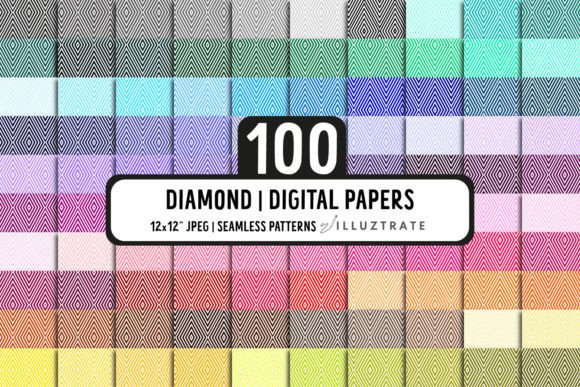
One of the most significant advantages of this digital paper pack is its high-quality format. The files are provided in JPEG format at 300 DPI, which ensures that the designs remain crisp and clear even when printed at larger sizes. This level of detail is crucial for projects that require precision, such as sublimation printing or large-format signage.
The 12×12″ RGB format also ensures compatibility with a wide range of design software and platforms. Whether you're using Adobe Illustrator, Photoshop, or any other graphic design tool, these files will integrate seamlessly into your workflow. Additionally, the inclusion of multiple file formats allows for easy scaling and adaptation to different needs, whether you're working on a small greeting card or a large banner.
It's also worth noting that the high-resolution nature of these files makes them suitable for both digital and physical applications. For instance, they can be used as backgrounds for websites, social media posts, or digital presentations, while still maintaining their integrity when printed for tangible use.
Long-Term Value and Reusability
Investing in a high-quality set of monochrome digital paper patterns offers long-term value, especially for those who regularly engage in creative or design-related work. These patterns can be reused across multiple projects, reducing the need to constantly source new designs or recreate existing ones. This not only saves time but also helps maintain a consistent visual identity across different outputs.
Furthermore, the adaptability of these patterns means that they can evolve alongside your creative journey. As your skills and preferences develop, you can experiment with different ways to incorporate these patterns into your work, whether through layering techniques, color overlays, or combining them with other textures and elements.
By building a library of high-quality digital paper patterns, you can significantly enhance your productivity and creativity. This collection serves as a reliable resource that supports both immediate and future projects, making it an invaluable asset for anyone serious about design and craft.
Conclusion
Monochrome digital paper patterns represent a powerful and flexible tool that can be integrated into a wide range of creative and professional workflows. Their simplicity, versatility, and high-quality construction make them an excellent choice for anyone looking to enhance their projects with a touch of elegance and refinement. Whether you're crafting for personal enjoyment or developing brand materials for a business, these patterns provide a solid foundation that can be adapted to suit your specific needs.
By understanding how to effectively use and implement these patterns, you can unlock new levels of creativity and efficiency in your work. As you continue to explore the possibilities of monochrome design, you'll find that these patterns offer endless opportunities for innovation and expression.